Unlocking Creativity: The Versatility and Impact of Geometrical Patterns in Modern Design
Geometrical patterns have long been a staple in the world of design, offering a blend of symmetry, balance, and visual appeal that can transform any project. From intricate Islamic art to the clean lines of modern minimalism, geometrical patterns are a timeless element that continues to captivate and inspire. In this article, we will explore the significance of geometrical patterns, their role in contemporary design, and why they remain a crucial tool for professionals, creators, and enthusiasts alike.
Understanding Geometrical Patterns
At its core, a geometrical pattern is a repetitive design composed of shapes and lines. These patterns can be as simple as a grid of squares or as complex as an interlocking series of polygons. The beauty of geometrical patterns lies in their ability to create a sense of order and harmony, making them a versatile choice for a wide range of applications.
One of the key features of geometrical patterns is their adaptability. They can be used to add texture, depth, and interest to a design, whether it's a website, a piece of fabric, or a piece of furniture. This versatility makes them a valuable asset in the toolkit of any designer, allowing for creative expression while maintaining a cohesive and balanced aesthetic.
The Role of Geometrical Patterns in Contemporary Design
In today’s fast-paced and visually driven world, geometrical patterns play a significant role in shaping the way we perceive and interact with design. They are not just decorative elements; they are powerful tools that can influence user experience, brand identity, and even consumer behavior.
For instance, in web design, geometrical patterns can be used to guide the viewer's eye, creating a more engaging and intuitive user interface. In fashion, these patterns can add a touch of sophistication and elegance, making a statement without overwhelming the overall look. In interior design, geometrical patterns can be used to create focal points, define spaces, and add a layer of complexity to otherwise simple designs.
Why People Are Paying Attention to Geometrical Patterns
The resurgence of geometrical patterns in recent years can be attributed to several factors. One of the most significant is the growing appreciation for minimalism and clean, structured designs. In a world where information overload is common, geometrical patterns offer a refreshing simplicity that can cut through the noise and provide a clear, focused message.
Additionally, the rise of digital design tools has made it easier than ever to create and experiment with geometrical patterns. Tools like Adobe Illustrator, Procreate, and Canva offer a wide range of features and templates that allow designers to quickly and easily incorporate these patterns into their work. This accessibility has democratized design, enabling a broader range of creators to explore and utilize geometrical patterns in innovative ways.
Changing Needs and Preferences in Design
The evolving needs and preferences of consumers and businesses have also contributed to the renewed interest in geometrical patterns. As people seek more meaningful and personalized experiences, designers are turning to geometrical patterns to create unique and memorable designs. These patterns can be customized to reflect a brand's values, personality, and aesthetic, making them a powerful tool for differentiation and brand recognition.
Furthermore, the increasing emphasis on sustainability and eco-friendliness has led to a preference for designs that are both functional and environmentally conscious. Geometrical patterns, with their clean and efficient use of space, align well with these values, making them a popular choice for sustainable and minimalist design projects.
Practical Examples and Observations
Let's take a look at some practical examples of how geometrical patterns are being used in various industries:
- Web Design: A tech startup uses a geometric pattern as the background for its homepage, creating a visually appealing and dynamic user interface. The pattern, consisting of interlocking hexagons, guides the user's eye to key information and calls to action, enhancing the overall user experience.
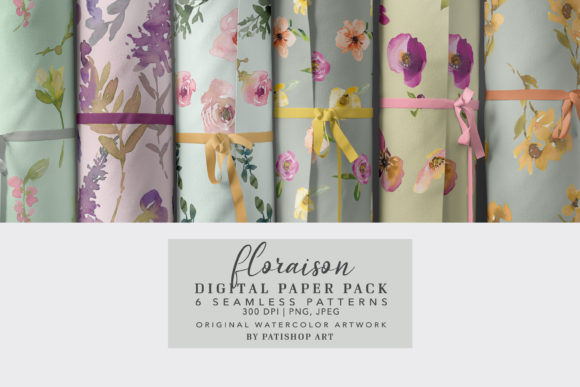
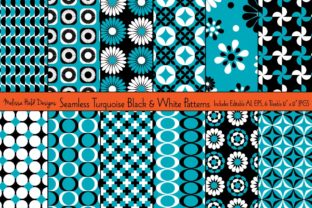
- Fashion: A high-end fashion brand incorporates a geometric floral pattern into its latest collection. The pattern, featuring a combination of triangles and circles, adds a modern and sophisticated touch to the garments, setting them apart from more traditional floral designs.
- Interior Design: An interior designer uses a geometric pattern to create a feature wall in a client's living room. The pattern, made up of intersecting lines and shapes, adds depth and visual interest to the space, transforming it into a focal point of the room.
Connecting to Larger Developments
The use of geometrical patterns is not just a trend; it is part of a larger shift towards more thoughtful and intentional design. As technology continues to advance and our understanding of human psychology deepens, designers are increasingly focusing on creating experiences that are not just aesthetically pleasing but also meaningful and impactful.
Geometrical patterns, with their inherent balance and symmetry, resonate with our innate desire for order and structure. They provide a sense of familiarity and comfort, while also offering endless possibilities for creativity and innovation. Whether in the form of a subtle background texture or a bold, eye-catching design, geometrical patterns continue to be a vital and relevant element in the world of design.
In conclusion, geometrical patterns are more than just a design element; they are a reflection of our evolving needs, preferences, and aspirations. As we move forward, these patterns will continue to play a crucial role in shaping the way we create, experience, and interact with the world around us. By embracing the versatility and impact of geometrical patterns, professionals, creators, and enthusiasts can unlock new levels of creativity and innovation, driving the future of design in exciting and meaningful directions.